What is Naturopathic Medicine?
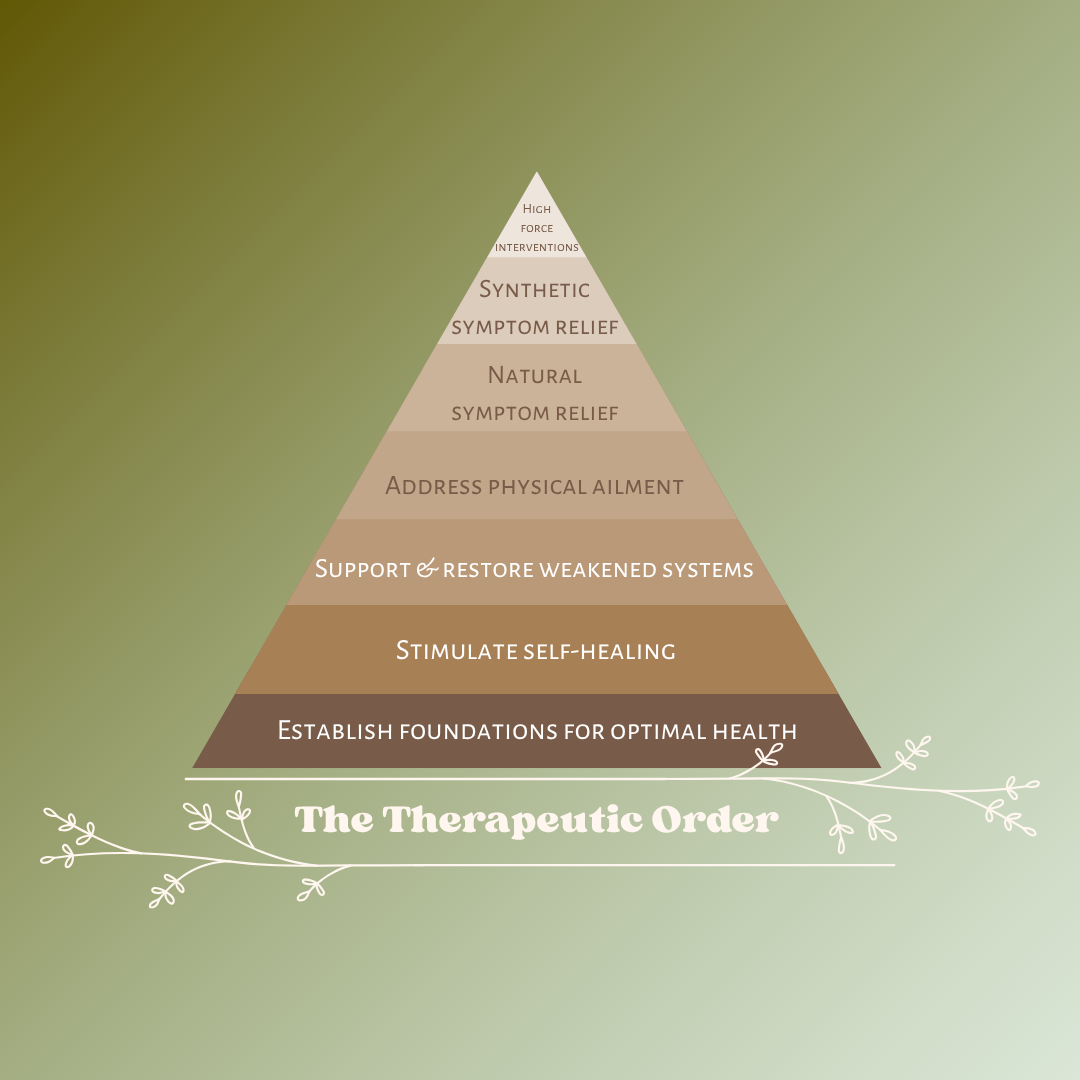
Naturopathic medicine is a holistic approach to wellness that supports the body's natural ability to heal and thrive. Rather than simply managing symptoms, naturopathic care focuses on investigating and addressing the root causes of illness while promoting long-term health and disease prevention.
Using evidence-informed therapies such as nutrition, herbal medicine, homeopathy, lifestyle counseling, and other natural therapies, care is tailored to each individual's unique needs, goals, and stage of life. Every care plan is designed to support overall wellbeing and help clients achieve sustainable health.
rooted in nature
·
backed by science
·
rooted in nature · backed by science ·
The 6 fundamental naturopathic principles:
-
Do No Harm
utilizing the most natural, least invasive, and least toxic therapies
-
The Healing Power of Nature
recognize and harness the body’s inherent wisdom to heal itself in order to guide clients to wellness and total health
-
Identify & Address The Cause
identifying the underlying contributions to illness and removing obstacles to cure
-
Doctor as Teacher
providing health literacy by empowering clients with a better understanding of what it takes to be and stay well
-
Whole-Person Care
understanding the interconnectedness of our bodies, our environments, and our lifestyles on total health.
-
Prevention
optimizing health to prevent disease whenever possible
The Determinants of Health
We recognize the many factors that shape a person's wellbeing, known as the Determinants of Health. By understanding and addressing these factors, we can better investigate the root causes of illness and support lasting wellness.
The Determinants of Health Include:
Nutrition & Hydration
The foods and fluids we consume provide the building blocks for growth, healing, energy, and overall health.
Physical Activity & Movement
Regular movement supports healthy development, cardiovascular health, mood, sleep, and resilience throughout all stages of life.
Sleep & Rest
Quality sleep is essential for physical recovery, immune function, emotional wellbeing, learning, and cognitive performance.
Stress & Emotional Health
Mental and emotional wellbeing play a significant role in overall health. Chronic stress can affect hormones, digestion, immunity, sleep, and many other body systems.
Relationships & Social Connection
Strong family relationships, supportive friendships, and a sense of belonging contribute to both physical and emotional health.
Environment
Our homes, schools, workplaces, and communities can influence health through factors such as air quality, toxin exposure, access to nature, and feelings of safety.
Genetics & Family History
While genetics may influence health risks, they do not determine our destiny. Lifestyle and environmental factors often play an important role in how genes are expressed.
Purpose, Values & Meaning
A sense of purpose, connection, and alignment with personal values can positively impact mental, emotional, and physical wellbeing.

LET’S TALK WELLNESS